1-Ton or 3-Ton Roller: Choosing by Area and Access
How to choose between the 1-ton walk-behind roller and the 3-ton ride-on roller, based on the size of the area and the access to your site.
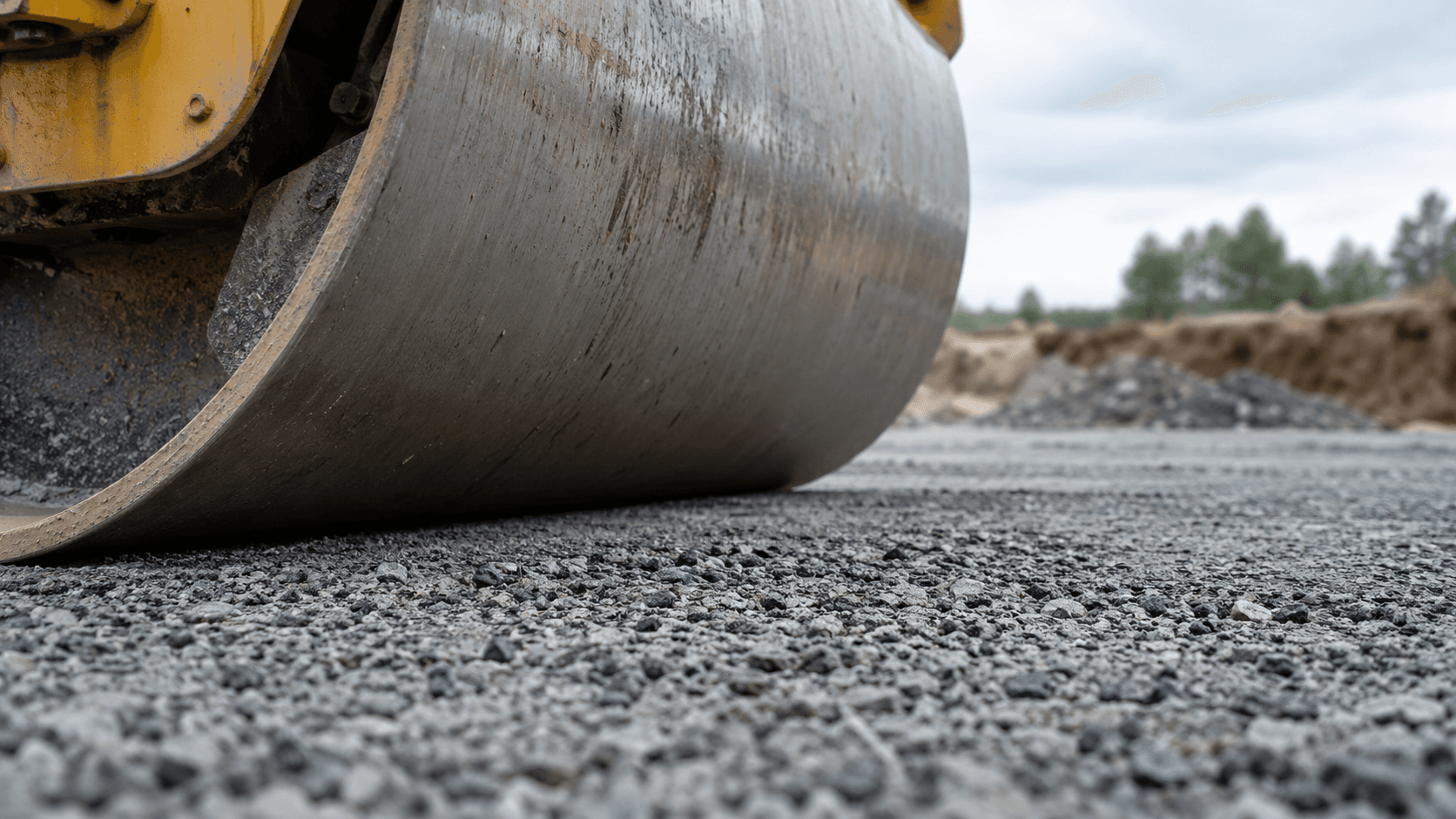
Once you know the job needs a roller rather than a plate compactor, the next question is size. For most small and medium jobs the choice comes down to two machines: the 1-ton walk-behind double drum roller and the 3-ton ride-on roller.
The two are not just a small and a large version of the same thing. They suit different areas, different access and different ways of working. This guide walks through how to choose.
The two machines in plain terms
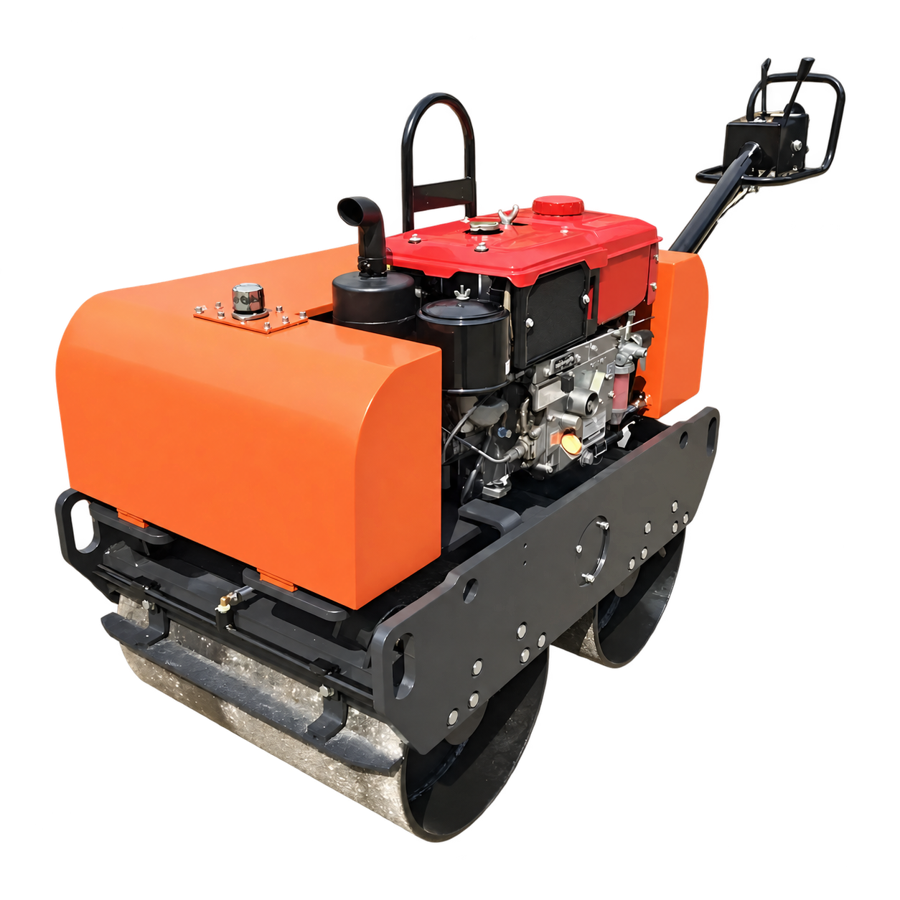
Roller Compactor (1 Ton)
The 1-ton roller is a walk-behind double drum machine. The operator walks behind it and steers with a handle. It suits small road works, repair jobs, and narrow or tight spaces.
- Fits through gates and along narrow lanes where a ride-on cannot go.
- Easy to control close to walls, kerbs and drains.
- Covers ground more slowly than a ride-on on a big area.
Roller Compactor (3 Ton)
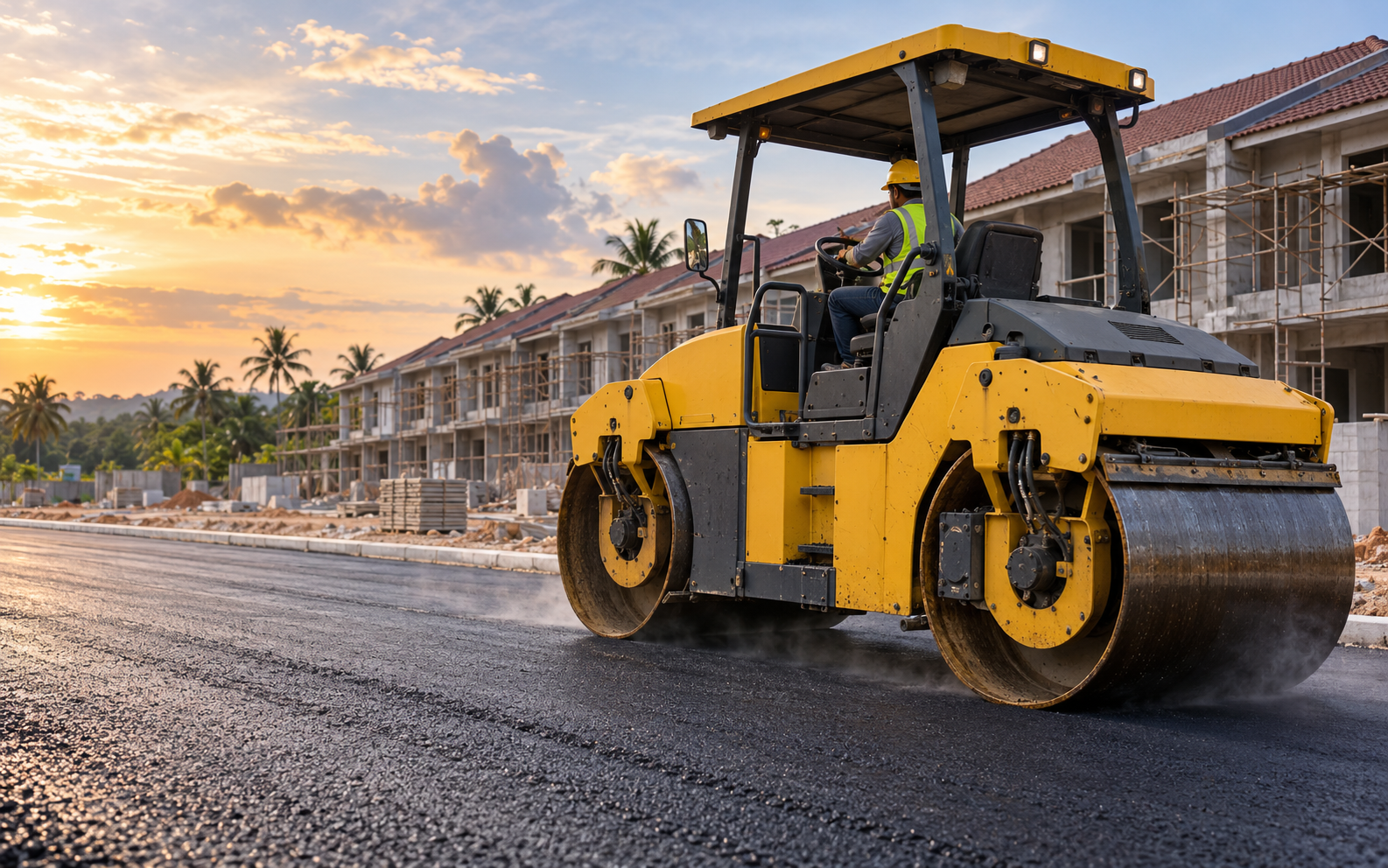
The 3-ton roller is a ride-on machine. The operator sits on it and drives. It suits bigger road and site works where you need to cover more area in fewer passes.
- Covers larger areas with less walking and fewer passes.
- Needs more space to turn and a clear route in and out.
- Needs a lorry route to the site for delivery.
Choosing by area
Small and scattered areas
Pothole patches, a short driveway, a strip beside a building or several small reinstatement jobs spread around one site are 1-ton territory. You can move the machine between spots easily, and you are not paying for capacity you will not use.
Open and continuous areas
A new access road, a car park, a factory compound or a long stretch of road shoulder is where the 3-ton roller earns its rate. Long, straight runs let a ride-on machine work steadily, and the job finishes in fewer days.
The in-between job
Some jobs sit in the middle, such as a medium car park with tight corners. Here, think about the bulk of the area. If most of it is open, the 3-ton roller handles the main area and a plate compactor or the 1-ton roller can finish the edges. If most of it is tight, the 1-ton roller alone may be enough.
Choosing by access
Walk the route first
Access often decides the machine before area does. Before booking, check the route from the road to the work area:
- Can a lorry reach the site and park to unload?
- How wide are the gate, lane or ramp the machine must pass?
- Are there overhead covers, low wires or overhanging trees on the route?
- Is the ground on the way firm enough to carry the machine?
Tight sites
Back lanes between shophouses, terrace house frontages and courtyards inside buildings often rule out a ride-on machine. A walk-behind 1-ton roller is built for these spaces.
Open sites
Industrial plots, new housing roads and open compounds usually have room for a lorry and a ride-on roller to turn. Here the 3-ton roller is the practical choice.
Rates, periods and what is included
Published rates
- Roller Compactor (1 Ton): RM600 per 1 week, RM1,400 per 1 month.
- Roller Compactor (3 Ton): RM1,800 per 1 week, RM5,000 per 1 month.
These rates are for the machine. Compare both, along with the plate compactor, in our roller fleet and rental rates. If the job is larger still, 5-ton, 10-ton and 25-ton rollers are available to ask about, with the price given in the quotation.
Transport, deposit and operator
The machine is delivered to site and collected after. Transport is charged by site location and stated in the quotation. A deposit is paid before delivery. An operator can be arranged on request, depending on the package, which helps if your crew has not run a ride-on roller before.
Ask before you book
If you are still unsure, send us a short description of the area, the material and a photo of the access route. We handle enquiries across Peninsular Malaysia, for example roller compactor rental in Petaling Jaya, roller compactor rental in Seremban and roller compactor rental in Kuantan. Availability and transport for your town are confirmed on WhatsApp.
Include the site town, the start date and period, the material, the rough area and whether you need an operator, and the quotation can be prepared.